Case Study - Summary
The rural village of Greenfield depends on subsistence farming but struggles with degraded land, water scarcity, and poor market access. These challenges cause low yields, crop failures, and low incomes. The community aims to boost food security and livelihoods by restoring soil fertility through sustainable farming, improving water management with harvesting and irrigation, and connecting farmers to better markets for higher earnings and economic growth
Determine the main problems or difficulties the community is facing.
- Bad Road Conditions: It is difficult for students and instructors to go to school safely and on time since village roads are impassable during rainy seasons and
dusty during dry ones. - Interrupted Learning: Poor roads result in a high absenteeism rate, tardiness, and disruptions in the delivery of CBC activities that call for hands-on learning and
community exposure. - Food insecurity: Due to bad roads, learners and staff find it difficult to get their learning experiences validated, which results in crop deterioration and inadequate
nourishment for students who at times depend on home gardens or school lunches. - Environmental Degradation: Roads and school farms are further harmed by unsustainable farming, which exacerbates erosion, runoff and waterlogging.
Dealing with these Challenges:
Concerning Healing Spaces: The most appropriate strategy for fostering emotional and spiritual well-being through community-based environmental care is an integrated school-community approach:
- Sustainable Farming & School Gardens: To enhance soil health and supply fresh food for school feeding programs, implement regenerative agriculture at the
school and neighboring farms. - Community Road Care: Encourage relevant government bodies, parents, educators, and young people in the area to help maintain access roads by planting trees,
doing community clean-ups, and doing basic drainage. - CBC Practical Learning: Utilize farming difficulties and bad roads as real-world CBC projects. Students research, suggest fixes, and take part in community service
days. - Emotional & Spiritual Healing Spaces: Lead reflection circles at schools where parents, teachers, and students talk about issues facing the community and work
together to develop local solutions, fostering hope and unity.
Describe a Suggested Course of Action.
| Objective | Strategy | Plan | Result |
| 1 | Enhance road access for reliable, safe education | Create drainage channels, plant roadside trees to reduce dust and erosion, and host community road maintenance days. | Reduced absences, safer travel, and improved year-round access to education |
| 2 | Enhance students’ nutrition and food security | Establish or grow a school garden with sustainable practices (mulching, composting). |
By adding fresh veggies to school lunches, students’ health and focus are enhanced. |
| 3 | Include real-world difficulties in CBC education | Create CBC projects centered on local roads, agriculture, and food security; students collect information, work through issues, and report their findings. |
Students acquire useful skills, self assurance, and a feeling or responsibility for the well of the community. |
| 4 | Encourage spiritual and emotional well-being | Create “Healing Spaces” in the village and school that serve as safe forums for discussion, storytelling, and dispute resolution | Better relationships between the community and the school, less stress, and shared accountability for problems. |
Possible Obstacles and Ways to Get Beyond Them.
| Objective | Strategy to Overcome |
| Limited community buy-in | Engage parents and local leaders early through barazas and demonstration activities. |
| Insufficient resources for road repairs | Use local materials, volunteer labour, and partner with county government or local CDF for support |
| Resistance to new farming practices | Start with demonstration plots at the school and invite parents to learn alongside students. |
| Learner and teacher fatigue | Integrate activities into CBC lesson plans so that practical work complements academics. |
In conclusion, the school may become a true Healing Space by tying together sustainable farming, improved roads, and CBC practical learning. This will ensure that students flourish both inside and outside of the classroom and strengthen the environment and emotional wellness.
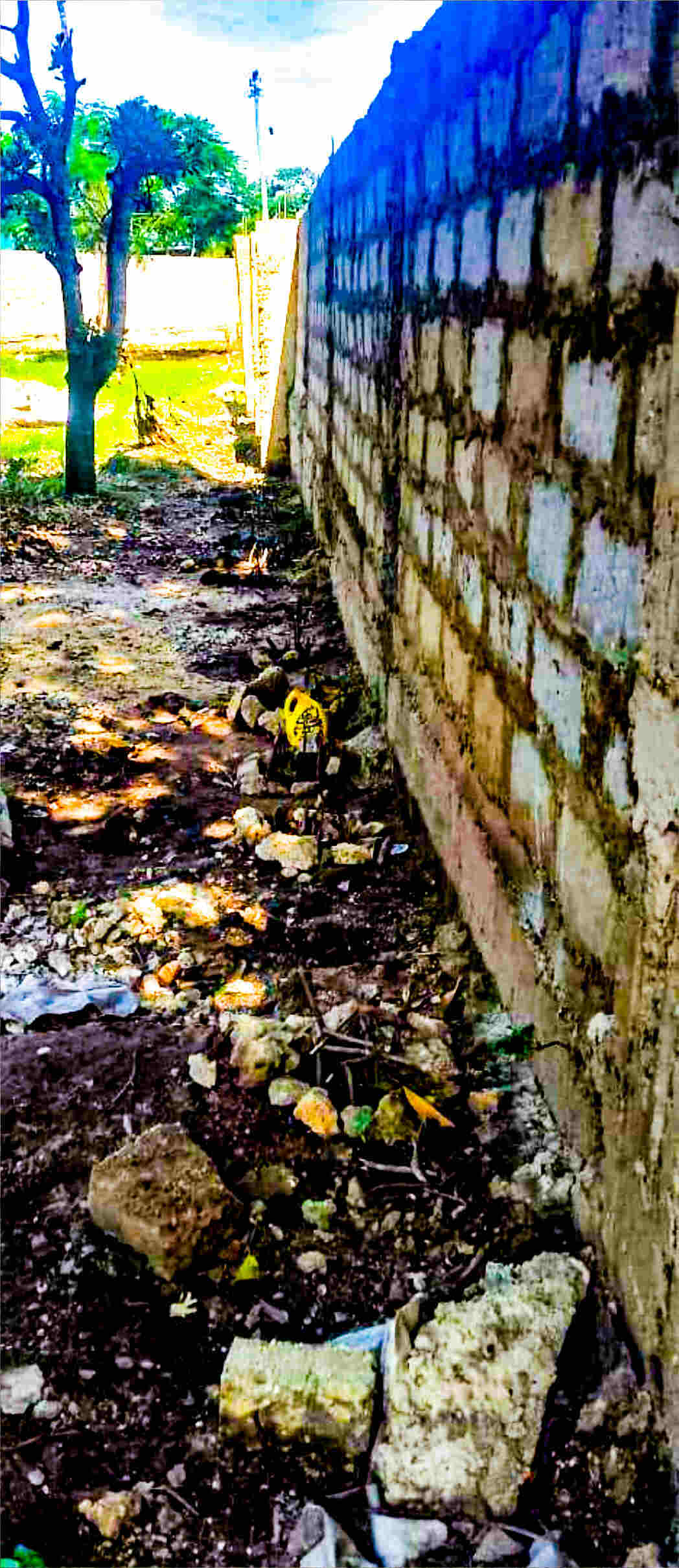
In the School
The Roads: from School towards the Main Road:
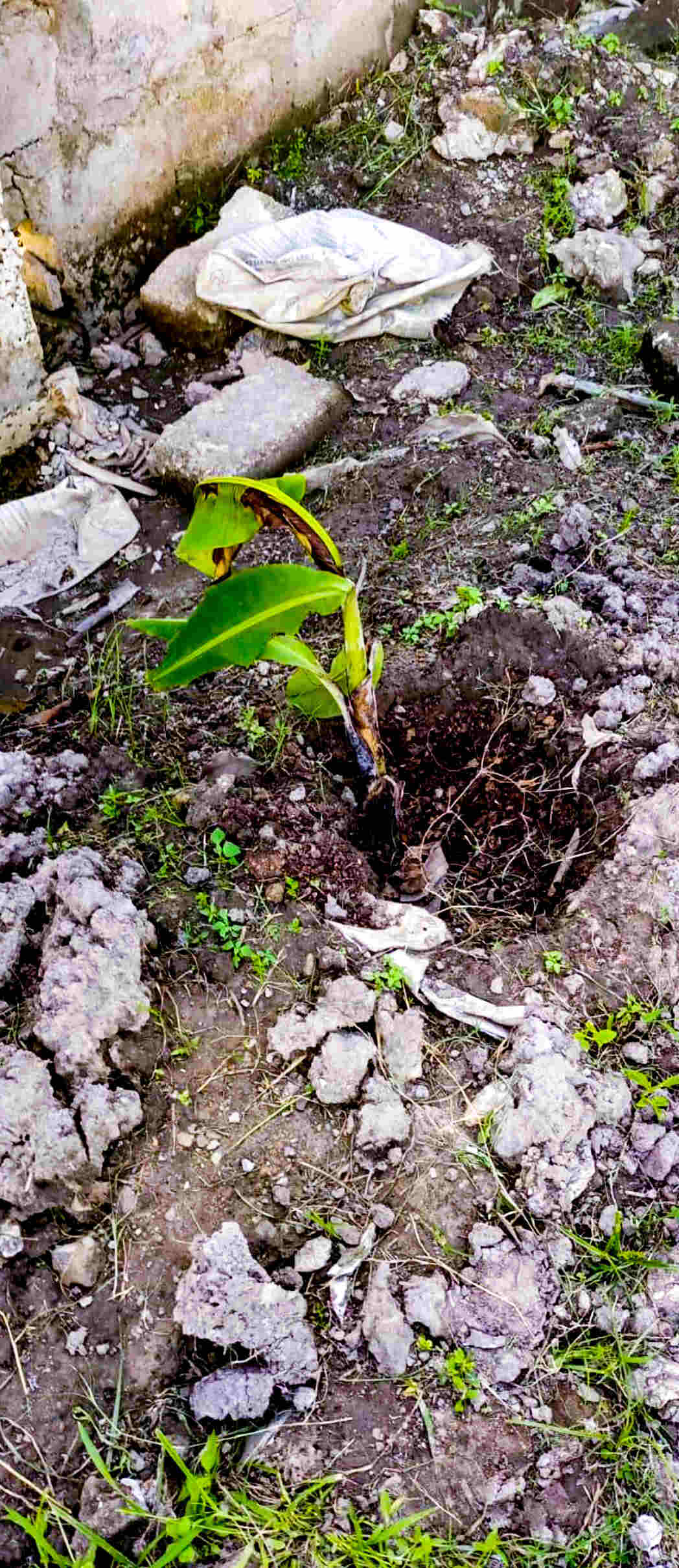
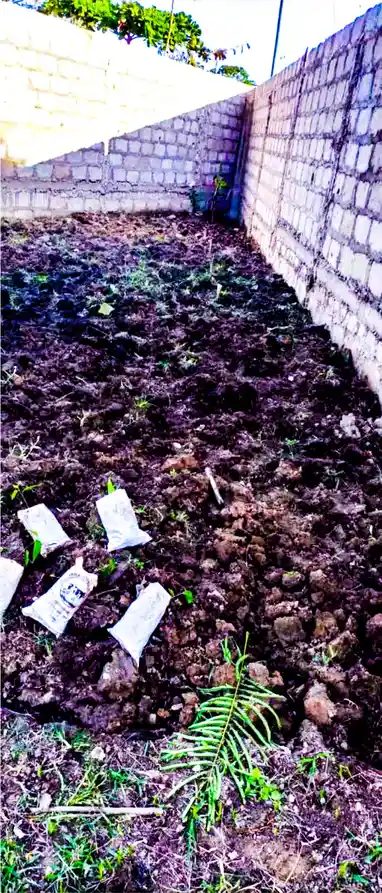
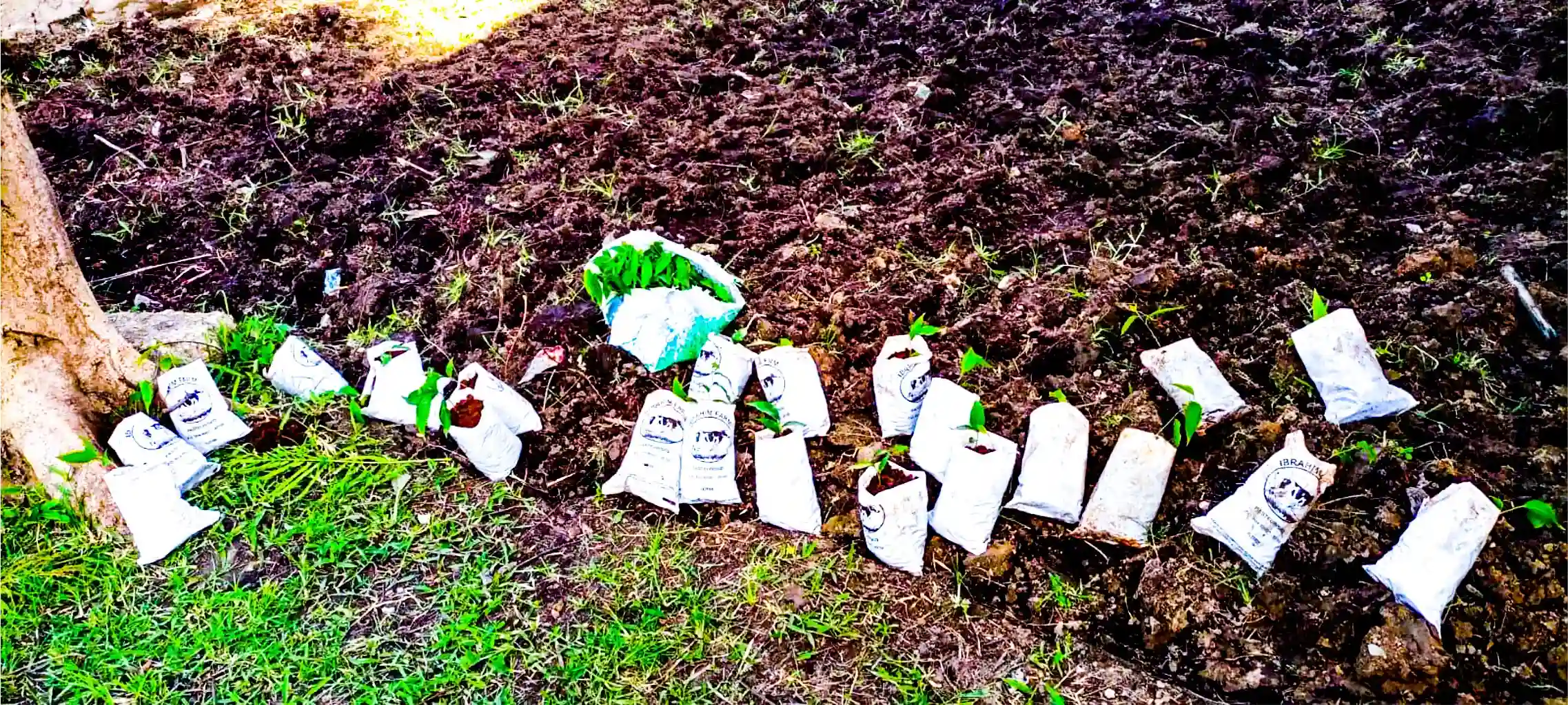
Some of the Solutions being implemented
Farming and Planting Trees.